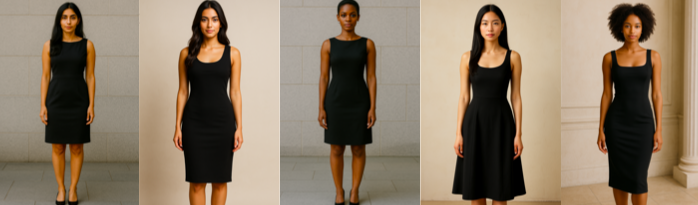
This project is my graduate treatise where I designed and conducted an experimental survey study exploring how representation in fashion advertising influences consumer perception and purchase intent. I was interested in understanding how different model demographics influence the way people emotionally respond to brands and whether inclusive representation affects relatability and willingness to buy.
I built the survey, created ad stimuli, collected responses, and analyzed the data using statistical software (SPSS) to identify patterns in consumer behavior. The project combined research design, data analysis, and consumer psychology to explore how brand visuals shape real-world reactions.
ABSTRACT
Fashion brands increasingly rely on visual advertising to communicate identity and values, yet questions remain about how racial representation within fashion imagery shapes consumer responses. Prior research suggests that inclusive advertising may influence brand evaluations by activating emotional engagement and feelings of belonging, particularly among minority consumers. However, much of the existing literature focuses on whether representation is present or absent, rather than how different configurations of racial diversity within the same advertisement are evaluated.
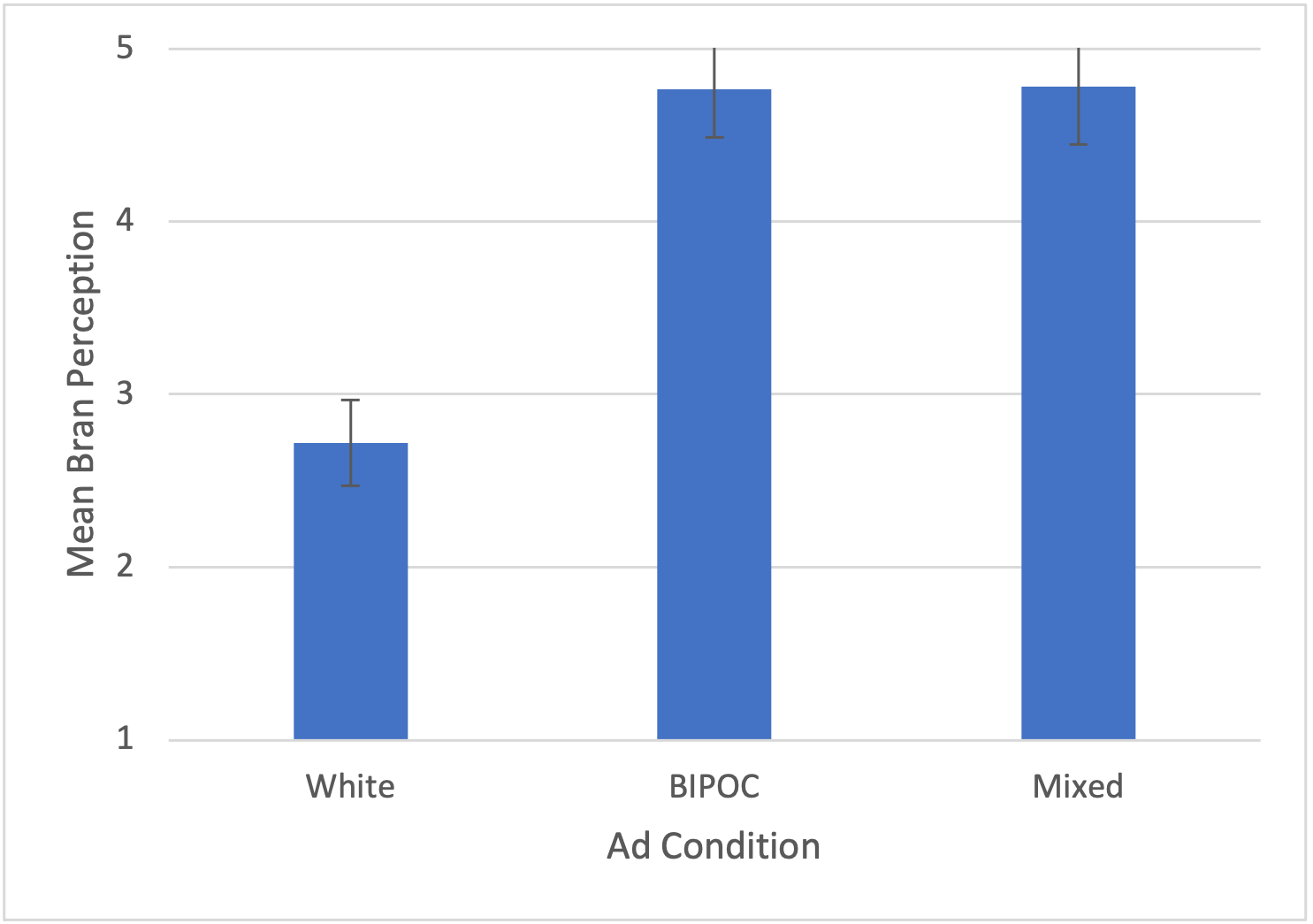
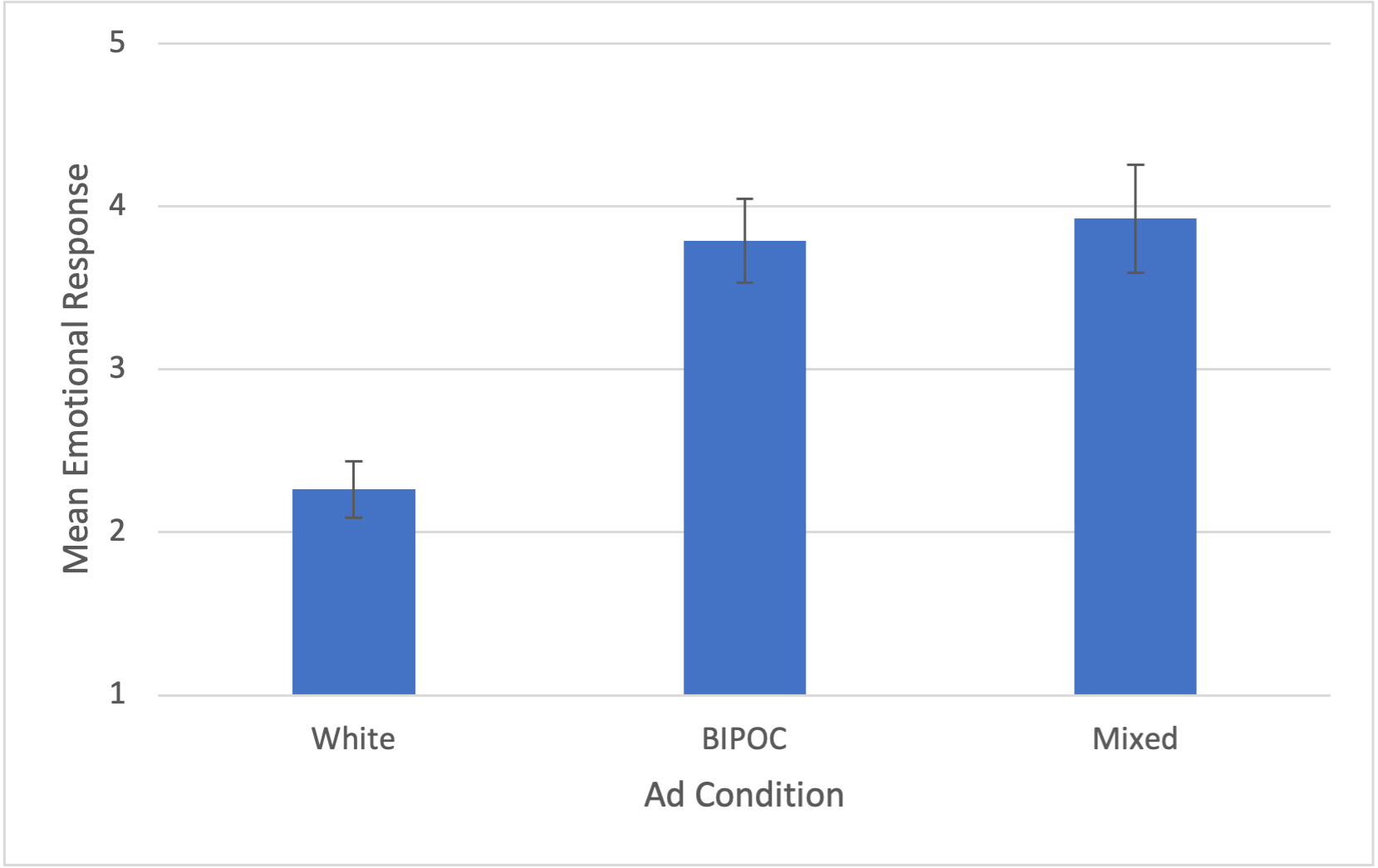
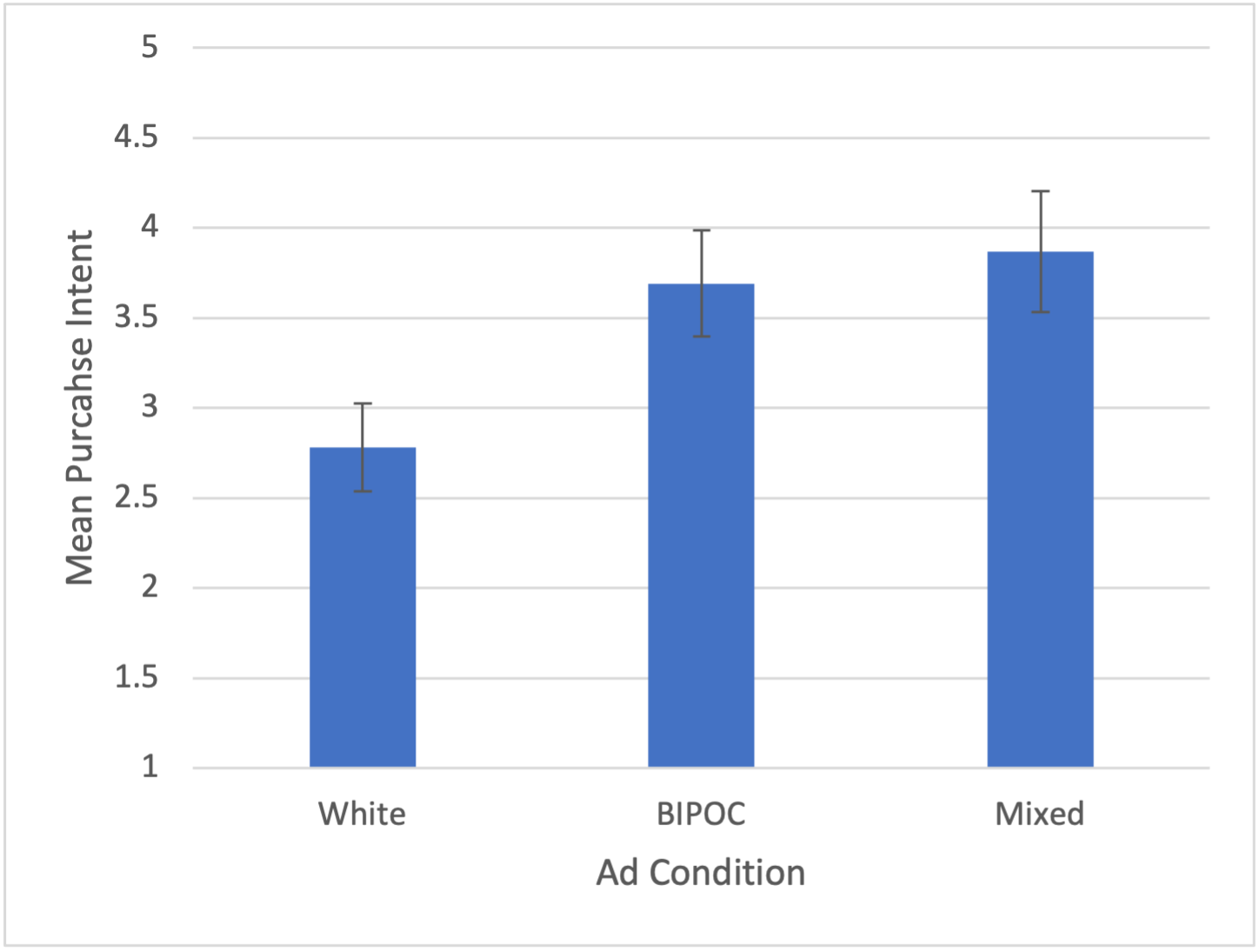
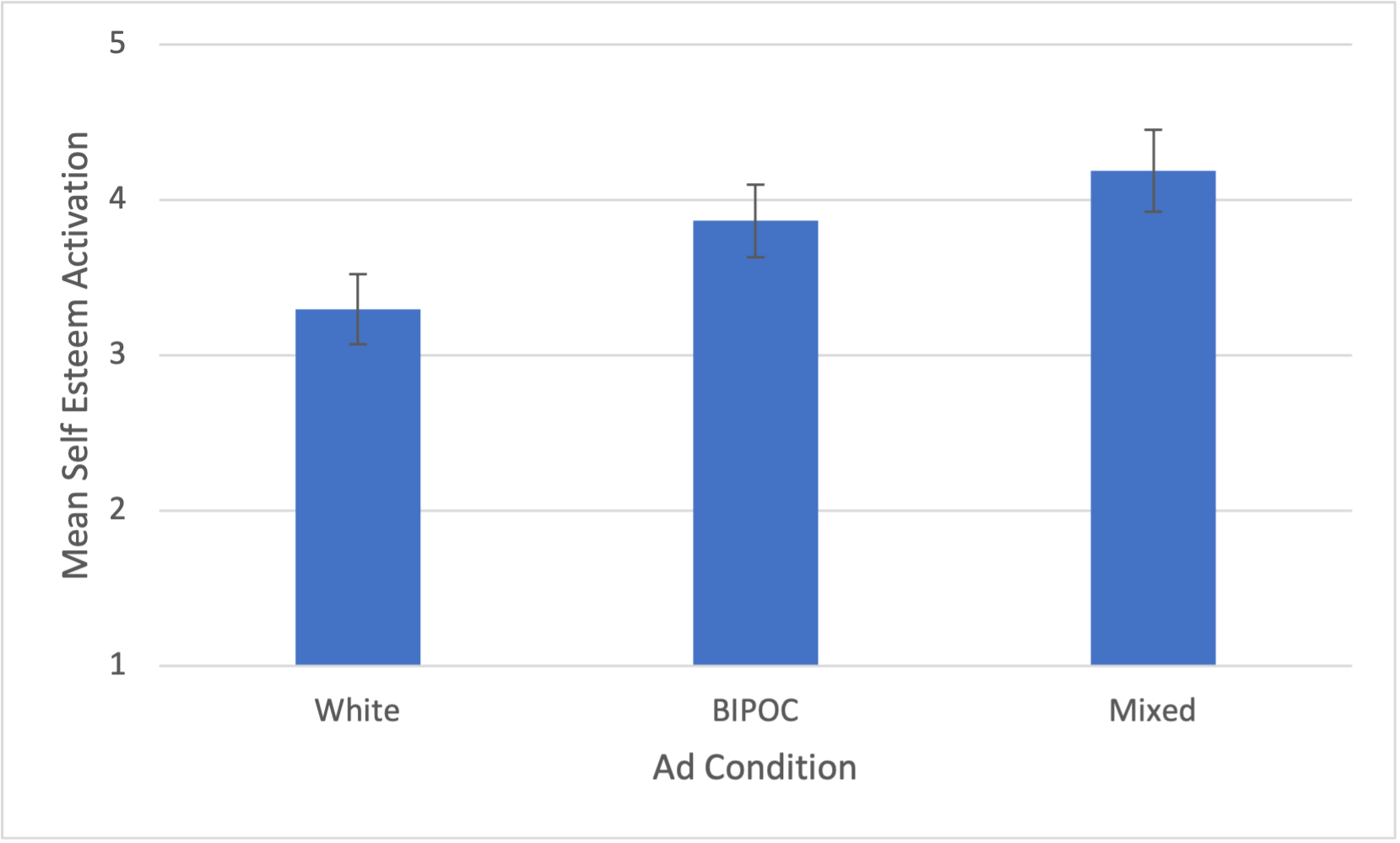
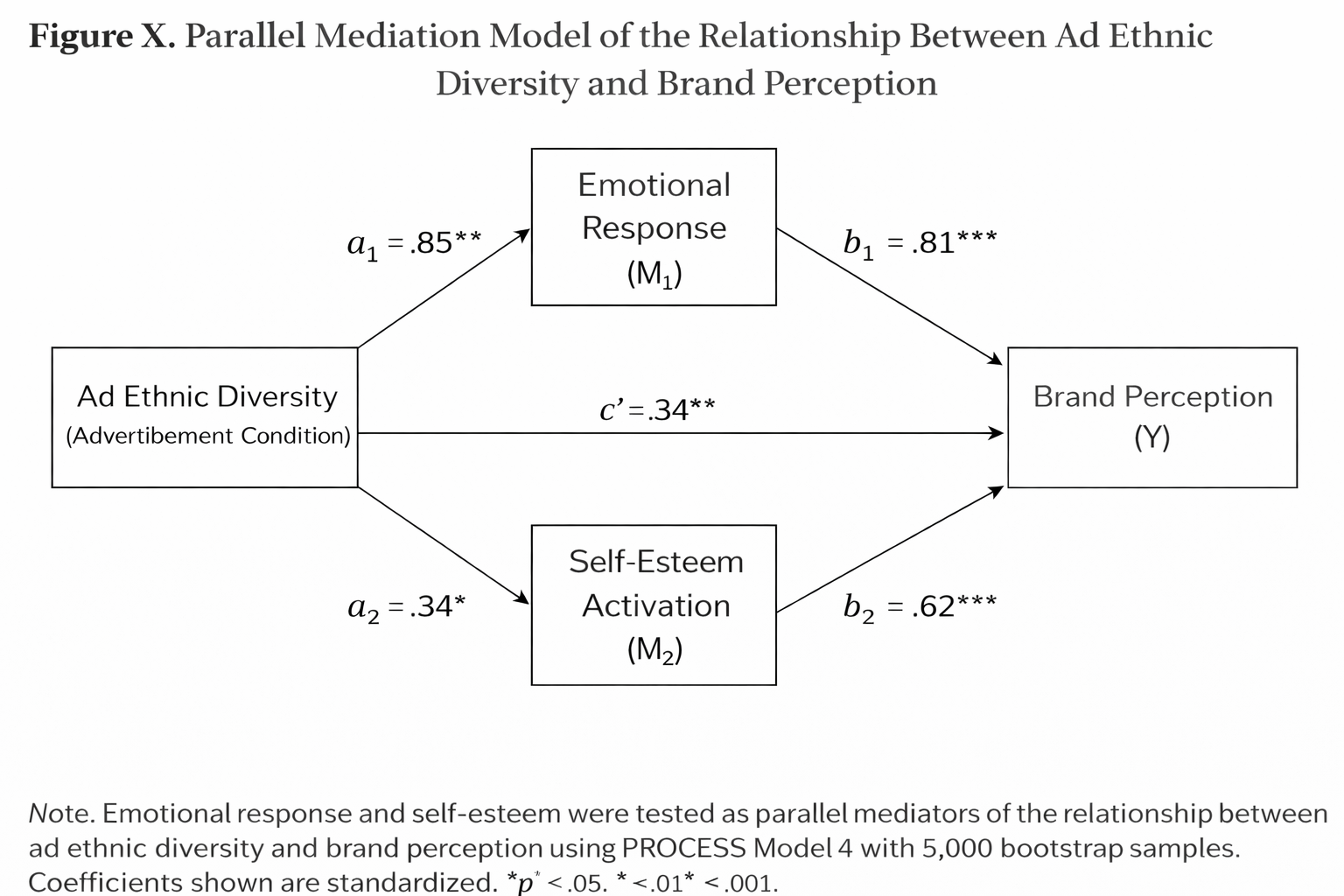
The present study examines how ethnic diversity in fashion advertising relates to consumer purchase intent and brand perception, and whether emotional response and self-esteem activation help explain these relationships. Using a between-subjects experimental survey design, 79 women viewed one of three AI-generated fashion advertisements featuring all-White models, models of color, or mixed-ethnicity models. Participants then completed Likert-scale measures assessing purchase intent, brand perception, emotional response, and self-esteem following ad exposure. Overall, advertisements featuring racially diverse models were associated with more favorable consumer responses than the all-White advertisement, including higher purchase intentions, more positive brand perceptions, and stronger emotional engagement. Emotional response and self-esteem emerged as explanatory mechanisms linking model diversity to brand perception. These findings offer practical implications for fashion brands operating in increasingly diverse markets, suggesting that inclusive visual representation may strengthen brand perceptions by fostering emotional connection and self-relevance, without requiring highly segmented targeting strategies.